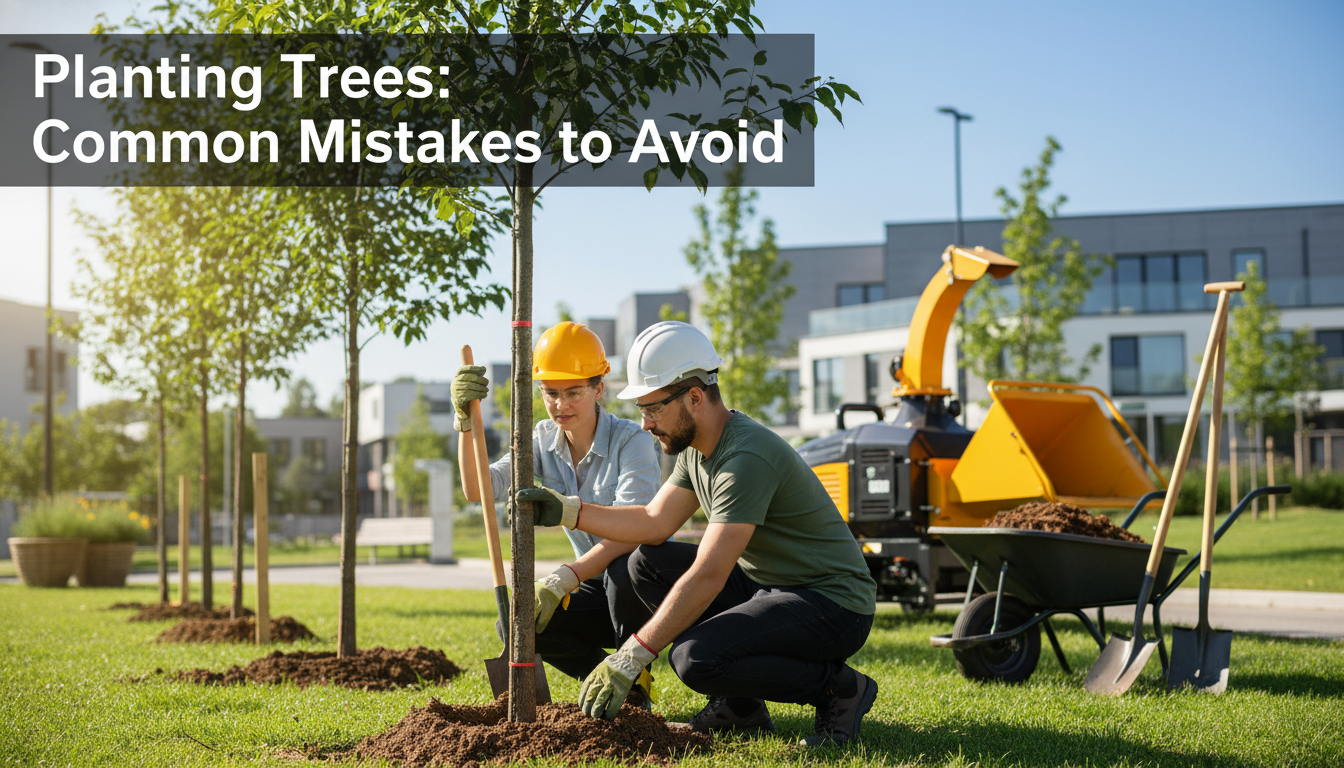
Planting Trees: Common Mistakes to Avoid
Did you know that a significant percentage of newly planted trees fail to survive their fifth year due to preventable planting errors? Investing in landscaping adds value to your property and benefits the environment, but only if the trees survive. Many enthusiastic homeowners head to the nursery, buy a beautiful sapling, and inadvertently sentence it to a slow decline by ignoring tree biology.
We have compiled the ultimate guide to ensure your investment grows into a towering asset rather than becoming a costly removal project.
Quick Summary: The Essentials of Tree Planting
If you want the fast track to success, adhere to these core principles:
* Locate the Root Flare: Never bury the trunk. The point where the roots spread out must remain visible above ground.
* Dig Wide, Not Deep: Create a planting saucer, not a pot. The hole should be 2 to 3 times wider than the root ball but no deeper.
* Say No to Volcano Mulching: Keep mulch away from the trunk to prevent rot and insect infestation.
* Remove Packaging: Take off all twine, plastic, and synthetic burlap. Cut away wire baskets to prevent root girdling.
* Water Deeply: Shallow sprinkling encourages weak surface roots. Water deeply to encourage downward growth.
***
Mistake #1: Planting Too Deep (The Telephone Pole Effect)
This stands as the single most common cause of tree death in residential landscaping. Many people treat trees like fence posts or tomato plants, burying them deep to make them sturdy. This suffocates the tree.
The Science Behind It
Tree roots require oxygen to function. When you bury the root flare (the tapered area at the bottom of the trunk where roots expand), you cut off gas exchange. Furthermore, the bark on the trunk is not designed to handle constant moisture from soil contact. Burying the trunk leads to bark rot, which interrupts the flow of nutrients and eventually girdles the tree.
How to Do It Right
Before you even dig the hole, find the root flare. In many nursery containers, the tree is already planted too deep. Gently scrape away the top layer of soil in the pot until you see the main structural roots flaring out. When you place the tree in the ground, this flare must sit slightly *above* the surrounding grade. If you plant in heavy clay soil (common in many parts of Canada), plant it even higher to aid drainage.
Mistake #2: Digging the Wrong Shape Hole
Most homeowners dig a hole that mirrors the shape of the pot. They dig deep and narrow. This creates a “bathtub” effect where water collects at the bottom and drowns the roots. Additionally, if the sides of the hole are smooth and glazed (often caused by a shovel slicing through wet clay), roots will circle inside the hole rather than pushing out into the native soil.
The Solution: The Saucer Method
The planting hole should look like a shallow wok or saucer. Dig the hole only as deep as the root ball (minus the top soil you removed to find the flare). However, you must dig the hole at least two to three times wider than the container. This loosened soil around the perimeter allows delicate new roots to penetrate the native soil easily during the critical establishment period.
Mistake #3: The “Mulch Volcano”
Drive through any suburban neighbourhood in spring and you will see trees with cones of mulch piled high against their trunks. While this might look tidy to some, it is a death sentence for the tree.
Why This Fails
Piling mulch against the bark retains moisture exactly where you do not want it. This softens the bark and invites rot, fungi, and pests like borers. It also encourages the tree to grow “adventitious roots” into the mulch. When the mulch dries out in the summer heat, these roots die, stressing the tree further.
Proper Mulching Technique
Think of a doughnut, not a volcano. Apply a layer of organic mulch (wood chips or shredded bark) roughly 2 to 4 inches thick around the base of the tree. Pull the mulch back 3 to 6 inches from the trunk. The mulch should cover the root zone to retain moisture and suppress weeds, but it must never touch the bark.
Mistake #4: Failing to Correct Root Defects
Container-grown trees often suffer from circling roots. Because the roots hit the plastic wall of the pot and turn, they begin to spiral. If you plant the tree without correcting this, those roots will continue to circle. Eventually, they enlarge and strangle the tree’s own trunk (stem girdling roots), often killing the tree 10 or 15 years later just as it reaches maturity.
The Fix: Box Cutting or Teasing
Do not be afraid to manipulate the root ball. If the roots are densely matting the outside of the soil ball, you have two options:
1. Teasing: Use your fingers or a hand cultivator to pull the outer roots loose and straighten them.
2. Box Cutting: For severely pot-bound trees, use a serrated knife or a sharp spade to shave off the outer inch of the root ball on all four sides and the bottom. This creates a square shape. This pruning stimulates new root growth that heads outward into the soil rather than spiralling.
Mistake #5: Amending the Soil Incorrectly
It feels intuitive to fill the hole with rich potting soil, peat moss, or compost to give the tree a “good start.” However, research proves this is detrimental.
The Interface Problem
If you fill the hole with perfect, fluffy soil but the surrounding ground is hard clay, the roots will stay in the hole. They treat the planting hole like a pot and refuse to cross the interface into the native soil. This limits the tree’s stability and access to water.
What to Do Instead
Backfill the hole with the native soil you dug out. You want the tree to adapt to your specific ground conditions immediately. If your soil is terrible heavy clay or pure sand, you can mix in a small amount of compost (no more than 10-20% by volume), but ensure it is thoroughly mixed with the native dirt. The goal is to avoid a sharp texture difference between the hole and the surrounding earth.
Mistake #6: Ignoring Canadian Hardiness Zones
Canada has a vast range of climates. A tree that thrives in the temperate rainforest of Vancouver (Zone 8) will freeze and die instantly in the harsh winters of Winnipeg or Saskatoon (Zone 3).
Know Your Zone
Before buying, verify the hardiness zone of your property. Always choose a tree rated for your zone or colder. If you live in Zone 5, a tree rated for Zone 4 is a safer bet than one pushing the limit at Zone 6. Also, consider microclimates. An exposed, windy hill faces lower effective temperatures than a sheltered backyard in the city.
Mistake #7: Improper Watering Practices
New trees do not have an established root system to pull moisture from deep in the ground. They rely entirely on you. However, there is a fine line between drowning a tree and drying it out.
The Watering Strategy
* Immediately After Planting: Water heavily to settle the soil and eliminate large air pockets.
* First Two Weeks: Water daily or every other day, depending on heat.
* First Year: Provide roughly 2.5 cm (1 inch) of water per week.
Use the “low and slow” method. Set a hose to a trickle and leave it at the base of the tree for 30 to 60 minutes. This ensures water penetrates deep into the root ball. Light sprinkling only wets the surface, causing roots to grow upward where they are vulnerable to heat and drought.
Mistake #8: Leaving the Nursery Stakes On
Trees need movement to build strength. The swaying of the trunk in the wind stimulates the production of reaction wood, which thickens and strengthens the trunk. If you leave the nursery bamboo stake lashed tight to the trunk, the tree becomes dependent on it. When you finally remove the stake years later, the weak trunk may snap.
When to Stake
Only stake a tree if it is in a very windy location or if the root ball is unstable. If you must stake, use flexible ties that allow the trunk to sway slightly. Remove all staking materials after one growing season (one year maximum).
Mistake #9: Ignoring the “Right Tree, Right Place” Rule
This is a planning mistake rather than a mechanical one, but it is equally costly. Planting a large-growing tree like an Oak or Maple directly under power lines or too close to your foundation invites future disaster.
Structural Considerations
* Overhead Clearance: Look up. If there are power lines, plant a species that stays small, like a Serviceberry or Crabapple.
* Underground Utilities: Call before you dig. In Canada, locate services to avoid hitting gas or electric lines.
* Spacing: A sapling looks small now, but you must visualize its mature width. Plant trees far enough away from your home so that branches will not rub against siding or deposit leaves in gutters.
Environmental and Safety Benefits of Proper Planting
Correct planting techniques do more than just save you money on replacements. They ensure the tree provides maximum environmental benefits.
Carbon Sequestration and Cooling
A healthy, long-lived tree sequesters significantly more carbon than a series of short-lived trees that die and rot every few years. Proper planting ensures the tree reaches maturity, where it provides maximum shade. This shade cools your home in summer, reducing reliance on air conditioning and lowering energy consumption.
Stormwater Management
Trees planted in properly loosened soil with good root structures absorb massive amounts of rainwater. This reduces runoff, prevents soil erosion, and alleviates pressure on municipal storm sewers during heavy Canadian downpours.
Safety Hazards
Trees planted with circling roots (Mistake #4) or buried trunks (Mistake #1) are structurally compromised. They are more likely to topple during windstorms, posing significant risks to people, cars, and buildings. Investing time in correct planting is an investment in safety.
Practical Maintenance Tips for the First Year
Once the tree is in the ground correctly, follow these maintenance protocols to ensure survival:
* Pruning: Do not prune the top of the tree at planting time to “balance” the roots. The tree needs all its leaves to produce the energy required for root growth. Only remove broken, dead, or diseased branches.
* Fertilizer: Avoid high-nitrogen fertilizer at planting. Nitrogen promotes shoot growth at the expense of root growth. The tree needs to focus underground first. If you must use an additive, choose a root stimulator with mycorrhizal fungi.
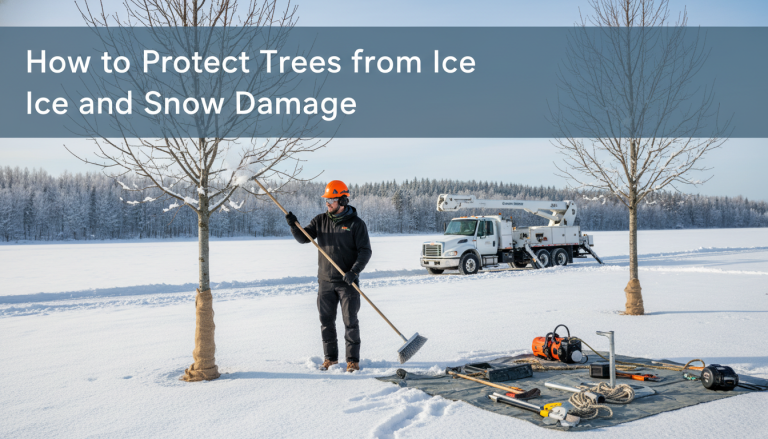
* Winter Protection: In Canada, rodents love to chew the tender bark of young trees under the snow. Install a plastic spiral guard or hardware cloth cylinder around the trunk in late autumn. Be sure to remove it in spring to prevent moisture buildup.
When to Call a Professional
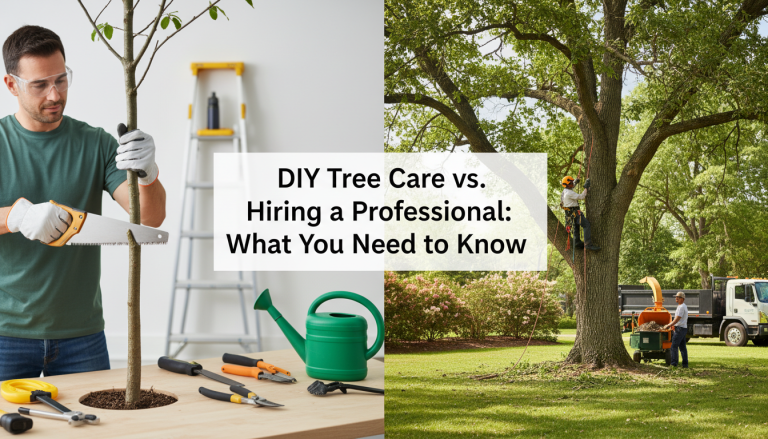
While planting a small sapling is a great DIY project, some situations require expert intervention. If you are planting large-caliper trees (trunks thicker than 5 cm), dealing with difficult slopes, or attempting to plant near critical infrastructure, you need professional assistance.
Arborists understand local soil compositions, pest risks, and species suitability better than anyone. They can ensure the tree is planted at the correct depth and provide a warranty for their work.
Ready to transform your landscape with healthy, long-lasting trees? Don’t leave your investment to chance.
[Browse our directory today to find a qualified tree service contractor near you.]