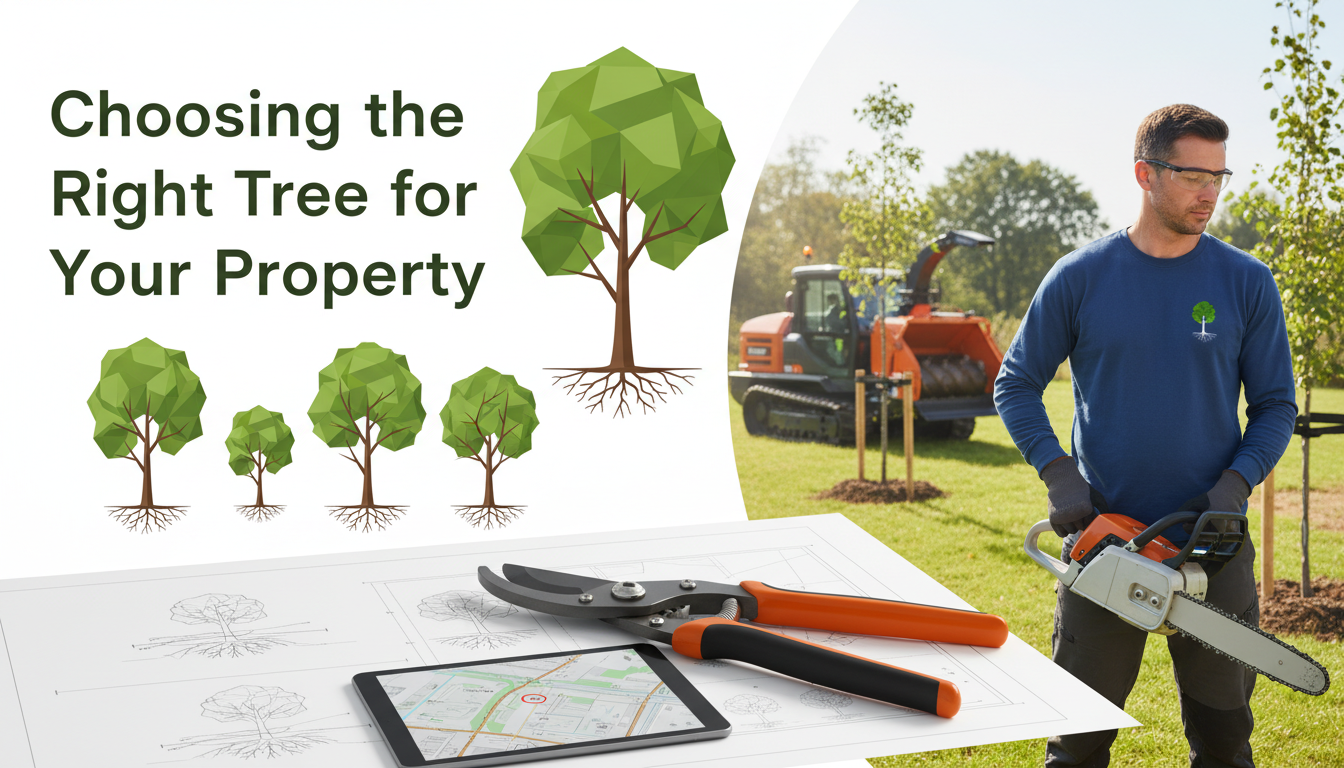
Choosing the Right Tree for Your Property
Choosing the Right Tree for Your Property: A 2025 Canadian Guide
Do you want a tree that looks beautiful today or one that stands strong for the next fifty years? This is the most critical question a homeowner must answer before digging a single hole. A tree is not just a plant; it is a long-term investment in your property value, your privacy, and the local ecosystem. However, planting the wrong species in the wrong location leads to expensive removal costs, damaged foundations, and disappointing growth.
In Canada, where climates range from the rainy coasts of British Columbia to the frozen winters of the Prairies, selection is everything. You need a tree that survives and thrives. This guide cuts through the noise and helps you identify exactly which tree belongs in your yard.
Quick Summary: The Essentials of Tree Selection
If you are ready to start planning, focus on these four pillars immediately. These factors determine success or failure before you buy.
* Hardiness Zone: Match the tree to your specific Canadian Plant Hardiness Zone (0-9). If a tree is rated for Zone 6 and you live in Zone 4, it will die.
* Purpose: Define the primary job of the tree. Is it for shade, privacy, fruit, or aesthetics? This dictates the species.
* Space Restrictions: Measure vertical clearance (power lines) and horizontal spread (houses, driveways). Roots extend 2-3 times the width of the canopy.
* Soil Conditions: Identify if your soil is clay, sand, or loam, and check the drainage. Most trees fail due to drowning in poor drainage.
1. Define the Purpose of Your Planting
Start with the “why.” A tree planted for privacy requires different characteristics than a tree planted to shade a patio. Be specific about your goals.
Shade and Energy Efficiency
Deciduous trees are nature’s air conditioners. By planting large-canopy trees like Maples or Oaks on the south or west side of your home, you block the intense summer sun. This can lower cooling costs by up to 20% in July and August. In winter, these trees drop their leaves. This allows sunlight to warm your home. You gain efficiency in both seasons.
Privacy and Windbreaks
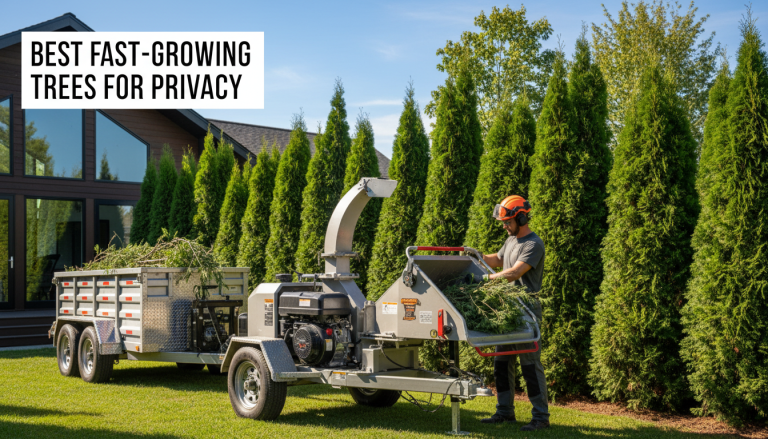
If you want to block the view of a neighbour or a busy road, you need density. Coniferous evergreens like White Spruce or Cedar are superior here. They keep their foliage year-round. This provides a constant visual screen. Additionally, a row of evergreens planted on the north side of your property acts as a windbreak. It stops cold winter winds from stripping heat away from your home.
Aesthetics and Curb Appeal
Perhaps you simply want a focal point. Ornamental trees like the Serviceberry or Crabapple offer spring flowers, summer fruit, and brilliant fall colour. These add immediate curb appeal. Real estate studies consistently show that mature trees increase property value. Select a species that complements the architecture of your house rather than hiding it.
2. Analyze Your Site Conditions
Never buy a tree on impulse. Your property dictates what will survive. You must act like a site inspector before you act like a gardener.
Understand Your Hardiness Zone
Canada uses a Plant Hardiness Zone map. This map considers minimum winter temperatures, frost-free days, and rainfall. A Sugar Maple thrives in Southern Ontario (Zone 6) but struggles in Northern Alberta (Zone 3). Check the government’s updated 2025 data or consult a local nursery tag. Always choose a tree rated for your zone or lower. If you are in Zone 5, a Zone 4 tree is a safe bet. A Zone 6 tree is a gamble.
The Soil Drainage Test
Soil texture matters. Clay holds water but can suffocate roots. Sand drains fast but loses nutrients. Perform a simple percolation test:
1. Dig a hole 30 centimetres deep.
2. Fill it with water and let it drain completely.
3. Fill it again and time how long it takes to empty.
If it drains in less than an hour, you have sandy soil. If it takes more than 24 hours, you have heavy clay or drainage issues. You must choose a tree adapted to these specific conditions. Willows love wet feet; Pines prefer dry boots.
Sunlight Assessment
Map the sun exposure in the exact spot you plan to plant. “Full Sun” means at least 6 hours of direct, unfiltered sunlight. “Partial Shade” is 3-6 hours. “Full Shade” is less than 3 hours. Do not plant a sun-loving Poplar in the shadow of a large building. It will grow weak and lanky as it reaches for light.
3. Space: The Forgotten Factor
Space planning prevents future disasters. A sapling looks small in a pot, but its genetic code knows exactly how big it will get. You must plan for the mature size, not the current size.
Overhead Clearance
Look up. Are there power lines, phone lines, or overhangs? Large trees like Sycamores or Pines have no place under utility wires. Utility companies will prune them aggressively (and often typically exclusively for safety, not aesthetics), leaving you with a deformed tree. For areas with overhead restrictions, choose trees that mature at 6 to 9 metres, such as Japanese Maples or Dogwoods.
Underground Utilities and Foundations
Look down. Roots are powerful. They seek water and oxygen. While roots rarely “attack” solid concrete, they will exploit existing cracks in foundations or driveways. More importantly, you must avoid planting over septic beds, gas lines, or water mains. In Canada, you must contact your local “Call Before You Dig” service to mark underground utilities before putting a shovel in the ground.
Canopy Spread
Consider the width. A tree planted two metres from your house might look fine now. In twenty years, its branches will scrape your siding, deposit leaves in your gutters, and provide a bridge for raccoons and squirrels to enter your attic. Plant large trees at least 6 to 10 metres away from your home.
4. Top Tree Recommendations for Canadian Regions
While every site is unique, certain native species have proven their resilience across various Canadian landscapes. Native trees are often the best choice because they have adapted to our pests and climate over thousands of years.
The Sugar Maple (Acer saccharum)
Best For: Zones 4-7
Why Choose It: This is the national tree for a reason. It offers arguably the best fall colour of any tree, turning brilliant orange and red. It is a large, sturdy shade tree. It requires space and well-drained soil. It does not tolerate road salt well, so keep it away from the street.
The White Spruce (Picea glauca)
Best For: Zones 2-7
Why Choose It: Tough, cold-hardy, and iconic. The White Spruce is excellent for privacy screens and windbreaks. It tolerates a wide range of soils and stands up to heavy snow loads without breaking. It is a dominant species in the boreal forest and works well in large backyards.
The Serviceberry (Amelanchier)
Best For: Zones 3-8
Why Choose It: This is a four-season superstar. It has white flowers in spring, edible berries in summer (tastes like blueberries), fiery red leaves in autumn, and smooth grey bark in winter. It remains relatively small, making it perfect for urban lots and planting near patios.
The Hackberry (Celtis occidentalis)
Best For: Zones 3-7
Why Choose It: If you have tough urban conditions, choose the Hackberry. It tolerates pollution, wind, and erratic rainfall better than most hardwoods. It has a similar shape to the Elm but is resistant to Dutch Elm Disease. It is a rugged survivor for difficult spots.
5. Environmental and Safety Benefits
Choosing the right tree goes beyond your property lines. Your selection contributes to the health of your community. Smart planting reduces the “Urban Heat Island” effect, where concrete and asphalt trap heat. A single mature tree acts as a biological air filter. It traps dust, pollen, and smoke while releasing oxygen.
Stormwater Management
Canadian storms are intensifying. Mature trees capture thousands of litres of rainwater in their canopies and root systems. This reduces runoff, prevents soil erosion, and alleviates pressure on municipal storm sewers. By planting a tree with a robust root system, you actively protect your land from washing away during heavy spring thaws.
Safety Considerations
Safety starts with selection. Fast-growing trees like Silver Maples or Weeping Willows often have weak wood. They are prone to dropping large limbs during ice storms or high winds. If you are planting near a walkway, driveway, or play area, prioritize “hardwood” species like Oak or Ironwood. They grow slower but possess structurally sound wood that resists storm damage.
6. Maintenance and Practical Care
Once you select and plant your tree, the work shifts to maintenance. The first two years are critical for establishment.
Watering is Non-Negotiable
New trees cannot find water on their own. Their root ball is small. Water them deeply once a week rather than sprinkling them daily. A slow, deep soak encourages roots to grow downward. This anchors the tree and makes it drought-resistant in the future.
Mulch Correctly
Apply a 5- to 10-centimetre layer of organic mulch around the base. This retains moisture and regulates soil temperature during freezing winters and hot summers. However, do not pile mulch against the trunk (volcano mulching). This causes the bark to rot. Leave a gap around the trunk flare.
Pruning for Structure
Avoid pruning a newly planted tree for the first year, except to remove broken branches. After established, prune to create a strong central leader. Remove crossing branches that rub against each other. Proper pruning prevents structural failure years down the road.
7. When to Call a Professional
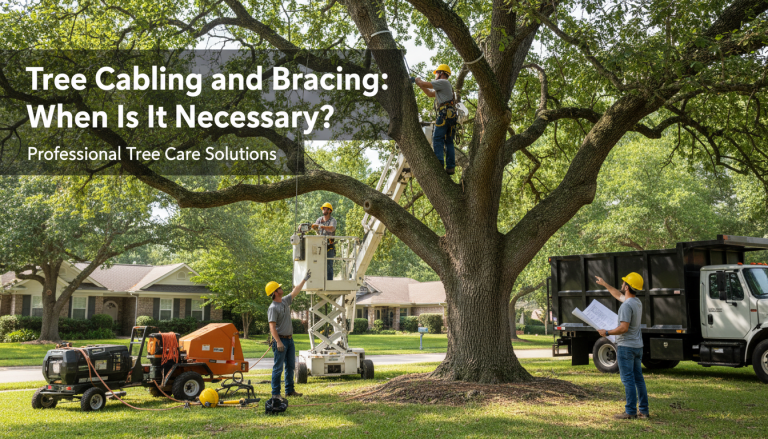
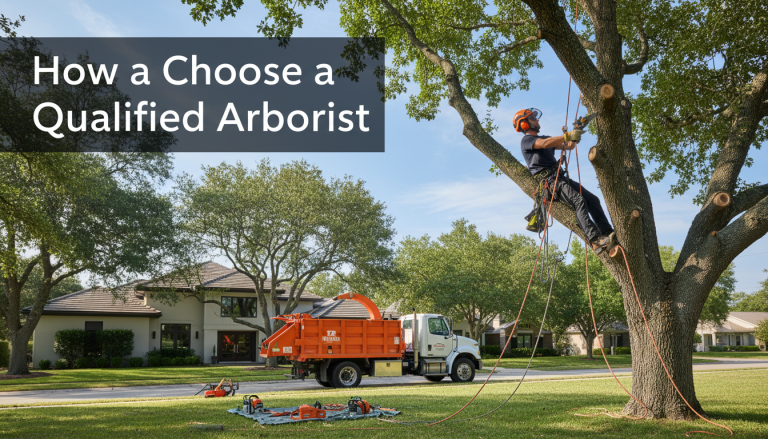
Sometimes, the best choice is to consult an expert before you dig. An arborist can analyze your soil pH, identify potential disease risks in your neighbourhood, and suggest species you may not know exist. Furthermore, planting large caliper trees requires heavy equipment and technical skill to ensure the root flare sits at the correct height.
If you have an existing tree that looks sick, or if you need help removing a stump to make room for a new planting, professional help is vital. Tree work can be dangerous. It requires specific insurance and safety gear.
Ready to transform your landscape?
Don’t guess with your property. Ensure your new tree thrives for generations.
[Browse our directory to find a professional tree service contractor near you.](#)
Get expert advice on planting, maintenance, and removal to keep your property safe and beautiful.